
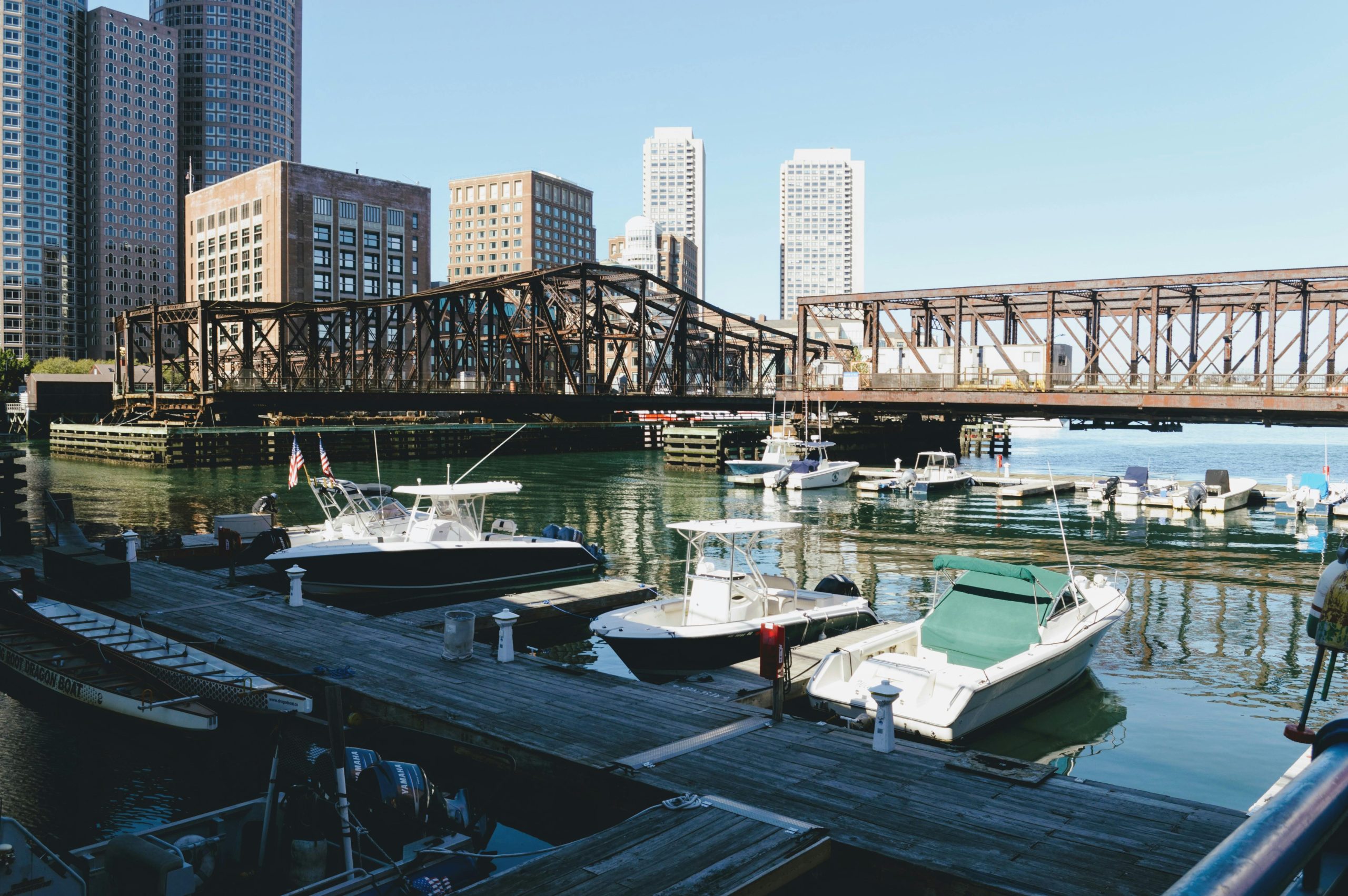
The maritime market offers incredible diversity, from sleek motorboats to majestic sailboats and spacious multihulls. According to the International Council of Marine Industry Associations, global recreational boat sales reached 4.2 million units in 2025, demonstrating the sector’s robust health. Whether you dream of weekend coastal cruises or extended offshore adventures, choosing the right vessel requires careful consideration of your needs, budget, and experience level. What type of boating experience truly calls to you? Continue reading here.
Understanding Different Vessel Types for Every Boating Need
The boating world offers an impressive variety of vessels, each designed for specific purposes and sailing conditions. Whether you’re dreaming of peaceful coastal cruising or seeking adventure on open waters, understanding the characteristics of different boat types helps you make the right choice.
Have you seen this : How Will Sustainable Materials Transform the Future of UK Automotive Industry?
Motorboats represent the most popular category for recreational boating. These power-driven vessels excel in speed and convenience, making them ideal for day trips, water sports, and fishing expeditions. From compact runabouts to luxurious cruisers, motorboats offer immediate gratification and easy handling for boaters of all experience levels.
Sailboats attract those who appreciate the art of harnessing wind power. These vessels provide a more contemplative boating experience, perfect for longer voyages and those seeking a deeper connection with maritime traditions. Modern sailboats combine classic sailing principles with contemporary comfort and safety features.
Also read : How Will Sustainable Materials Transform the Future of UK Automotive Industry?
For those requiring extra stability and space, multihulls like catamarans offer exceptional comfort and shallow draft capabilities. Meanwhile, riverboats are specifically designed for inland waterways, featuring specialized hull designs for shallow waters and narrow passages.
Specialized maritime platforms showcase this diversity through comprehensive inventories, helping buyers navigate the extensive range of options available in today’s market.
Essential Criteria When Evaluating Your Next Watercraft
Buying a boat represents a significant investment that requires careful evaluation beyond first impressions. Whether you’re considering a sleek motorboat or a classic sailboat, understanding the key assessment criteria helps ensure you make an informed decision that aligns with your boating goals and budget.
Smart buyers focus on five essential evaluation points that reveal the true value and condition of any watercraft:
- Overall condition assessment – Examine the hull for cracks, osmosis, or repair signs. Check engine hours, functionality of all systems, and signs of proper maintenance. A professional survey is invaluable for vessels over €20,000.
- Complete documentation – Verify ownership papers, registration, insurance history, and compliance certificates. Missing paperwork often signals potential legal complications or hidden issues.
- Maintenance history – Request service records, winterization documentation, and major repair invoices. Well-documented maintenance indicates responsible ownership and helps predict future costs.
- Equipment inventory – Catalog included electronics, safety gear, and accessories. Factor their replacement value into your offer, as quality marine equipment significantly impacts the boat’s total worth.
- Market price analysis – Research comparable vessels in your region to establish fair market value. Consider seasonal pricing variations and negotiate based on identified maintenance needs.
These systematic evaluation steps protect both novice and experienced buyers from costly oversights while ensuring your next watercraft delivers years of reliable enjoyment on the water.
Navigating the European Maritime Marketplace
The European boating market represents one of the world’s most sophisticated maritime ecosystems, where centuries-old traditions meet cutting-edge technology. From the Mediterranean’s luxury yacht culture to Northern Europe’s practical sailing heritage, each region brings unique characteristics that shape buying and selling patterns.
France stands out as a particularly dynamic marketplace, combining exceptional coastal diversity with strong boating infrastructure. The country’s extensive network of marinas, from the glamorous Côte d’Azur to the rugged Brittany coast, creates distinct regional preferences. Mediterranean buyers often prioritize comfort and entertainment features, while Atlantic coast enthusiasts focus on seaworthiness and reliability.
International platforms have revolutionized how Europeans approach boat transactions. With 144+ active listings spanning multiple countries, buyers can now compare prices across borders and discover opportunities previously limited to local markets. This cross-border accessibility has intensified competition among sellers while providing buyers unprecedented choice and transparency.
The digital transformation has also enhanced buyer education. Modern platforms combine comprehensive inventories with detailed market insights, helping newcomers understand the nuances of different boat types and regional pricing trends. This educational approach particularly benefits first-time buyers navigating Europe’s complex maritime landscape.
Budget Planning and Financing Options for Boat Ownership
L’acquisition d’un bateau représente un investissement significatif qui va bien au-delà du prix d’achat initial. Les coûts d’acquisition varient considérablement selon le type d’embarcation : comptez entre 15 000 € et 50 000 € pour un bateau à moteur d’occasion de taille moyenne, tandis qu’un voilier comparable oscillera entre 20 000 € et 80 000 €.
Les frais annexes s’accumulent rapidement et méritent une attention particulière. L’assurance maritime représente généralement 2 à 4% de la valeur du bateau annuellement. À cela s’ajoutent les frais de port, l’entretien régulier, les révisions moteur, et les équipements de sécurité obligatoires.
Plusieurs options de financement facilitent l’accès à la propriété nautique. Le crédit bateau classique propose des taux avantageux sur 5 à 10 ans. Le leasing nautique permet de navigation immédiate avec option d’achat finale, particulièrement adapté aux propriétaires souhaitant changer régulièrement d’embarcation.
Pour optimiser votre budget, privilégiez l’achat en fin de saison quand les prix baissent naturellement. Considérez également la copropriété nautique, formule économique qui divise les coûts entre plusieurs propriétaires tout en garantissant un accès régulier à votre embarcation.
Smart Shopping Strategies for First-Time Buyers
L’achat de votre premier bateau représente un investissement considérable qui mérite une approche méthodique. Le timing optimal se situe généralement entre septembre et mars, période où les propriétaires sont plus enclins à négocier avant l’hivernage ou après les frais d’entretien saisonniers.
La négociation efficace repose sur une connaissance précise du marché. Documentez-vous sur les prix pratiqués pour des modèles similaires, en tenant compte de l’âge, du kilométrage moteur et des équipements. N’hésitez pas à faire jouer la concurrence, particulièrement sur les plateformes spécialisées qui regroupent de nombreuses annonces comparables.
L’inspection professionnelle constitue votre meilleure protection contre les mauvaises surprises. Un expert nautique identifiera les défauts cachés, l’état réel de la motorisation et la conformité aux normes de sécurité. Cette démarche vous donnera également des arguments solides pour ajuster votre offre d’achat.
Les guides éducatifs et ressources disponibles sur les plateformes maritimes vous accompagnent dans chaque étape. Ces outils vous aident à comprendre les spécificités techniques, les coûts d’entretien et les réglementations en vigueur pour faire un choix éclairé.
Your Boating Questions Answered
Navigating the boat buying process brings up countless questions. Whether you’re a first-time buyer or experienced sailor, having the right information makes all the difference in finding your perfect vessel.
What should I look for when buying a used boat?
Inspect the hull for cracks, check engine hours and maintenance records, test all electrical systems, and hire a marine surveyor for thorough evaluation of structural integrity and safety equipment.
How much does it cost to maintain a motorboat vs a sailboat?
Motorboats typically cost 10-15% of purchase price annually due to engine maintenance, fuel, and frequent repairs. Sailboats average 8-12% with lower fuel costs but rigging expenses.
Where can I find the best deals on boats in my area?
Check specialized maritime marketplaces, local marinas, boat shows, and online platforms. Seasonal timing matters – late fall and winter often offer better pricing opportunities.
What type of boat is best for a beginner boater?
Start with smaller powerboats (16-22 feet) or stable sailboats with simple rigging. Consider bowriders for day cruising or small cruisers for weekend adventures.
How do I finance a boat purchase and what are my options?
Marine loans, personal loans, or dealer financing are common options. Banks typically offer 10-20 year terms with 10-15% down payment requirements for qualified buyers.
What services does your marketplace provide beyond listings?
Our platform offers comprehensive buying guides, market analysis, inspection checklists, and connects you with verified sellers across Europe’s most diverse boat inventory.